
Permalink: what-to-do-before-and-after-wisdom-teeth-removal
Description: Prepare for and recover from wisdom teeth removal with this essential guide. Learn vital tips for before and after your surgery to ensure a smooth healing process.
Wisdom teeth removal is a common dental procedure that many individuals undergo, often during their late teens or early twenties. These third molars can cause a variety of issues, including pain, infection, and crowding, necessitating their extraction. Understanding what to do before and after wisdom teeth removal is crucial for a smooth experience and a swift recovery. This comprehensive guide will walk you through every step, from preparing for your surgery to managing the healing process, ensuring you are well-equipped for a comfortable journey.
Navigating any surgical procedure can be daunting, but with proper preparation and diligent post-operative care, the process of wisdom teeth removal can be significantly less stressful. We will delve into practical advice, essential tips, and crucial precautions to help you minimize discomfort and promote optimal healing. By following these guidelines, you can confidently approach your wisdom tooth extraction, knowing you have taken all necessary steps for a successful outcome and a quick return to your daily routine.
Before your wisdom teeth removal, thorough preparation can significantly ease the process and contribute to a faster recovery. Your oral surgeon or dentist will provide specific instructions, but generally, this phase involves several key steps. It is important to discuss your medical history, including any medications you are currently taking, allergies, and pre-existing conditions, to ensure a safe procedure. This pre-operative consultation is also an excellent opportunity to ask any questions you may have about the surgery or the recovery period, helping to alleviate any anxieties you might have about what to do before and after wisdom teeth removal.
Consider arranging for someone to drive you home after the procedure, as you will likely be under the effects of anesthesia and unable to drive yourself. Stock your pantry with soft foods that will be easy to eat during the initial recovery period, such as yogurt, applesauce, mashed potatoes, and soup. Filling prescriptions for pain medication and antibiotics beforehand will also prevent last-minute trips to the pharmacy when you might be feeling uncomfortable. Adequate rest the night before your surgery is also vital for your body's readiness to undergo the procedure and begin the healing process.
On the day of your wisdom teeth removal, it's essential to follow your surgeon's instructions precisely. Typically, you will be advised not to eat or drink anything for several hours before the surgery, especially if you are receiving general anesthesia. Wear comfortable, loose-fitting clothing, and avoid wearing jewelry or contact lenses. Arrive at the dental office or surgical center with enough time to complete any necessary paperwork and prepare for the procedure. Confirming what to do before and after wisdom teeth removal with the staff one last time can also help ease any lingering concerns.
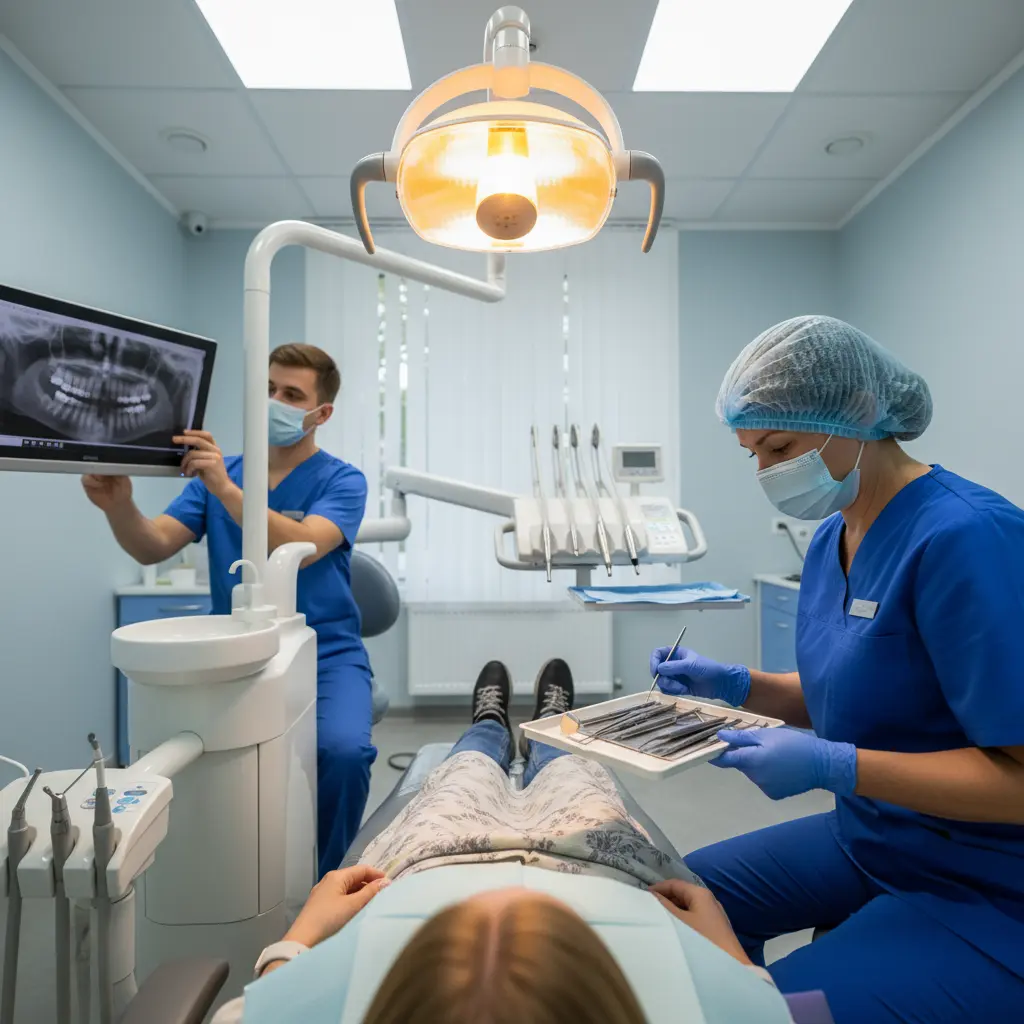
The procedure itself is usually quick, often lasting less than an hour, depending on the complexity of the extractions. You will be given anesthesia to ensure you feel no pain during the surgery. Once the wisdom teeth are removed, the surgical sites will be closed with sutures, and gauze will be placed to control bleeding. You will then be moved to a recovery area where you will be monitored as the anesthesia wears off. It's normal to feel groggy and disoriented immediately after the procedure.
The first 24 hours after your wisdom teeth removal are critical for setting the stage for a smooth recovery. Immediately after the surgery, you will need to keep the gauze pads placed over the extraction sites firmly in place for at least 30-45 minutes to help form a blood clot and control bleeding. Once you remove the gauze, some oozing is normal, but excessive bleeding should be reported to your oral surgeon. Applying an ice pack to the outside of your face, near the surgical sites, for 20 minutes on and 20 minutes off, can significantly help reduce swelling and discomfort during this initial period. This is a key part of what to do before and after wisdom teeth removal to manage immediate symptoms.

Avoid rinsing your mouth, spitting, or using a straw for the first 24 hours, as these actions can dislodge the blood clot and lead to a painful condition called dry socket. Stick to soft, cool foods and liquids, and avoid anything hot, spicy, or crunchy. Take prescribed pain medication as directed, even if you don't feel severe pain initially, to stay ahead of the discomfort. Rest is paramount; avoid strenuous activities and keep your head elevated with pillows to further minimize swelling. Following these instructions diligently will help prevent complications and promote healing.
Pain and swelling are common and expected after wisdom teeth removal, but they can be effectively managed with proper care. Your oral surgeon will likely prescribe pain medication, which should be taken as directed. Over-the-counter pain relievers like ibuprofen can also be used to supplement prescription medication or for milder discomfort. It's important to start taking pain medication before the local anesthetic wears off completely to maintain comfort. Consistent application of ice packs during the first 24-48 hours is crucial for minimizing swelling, a key aspect of what to do before and after wisdom teeth removal.

After the initial 48 hours, you can switch from ice packs to warm, moist heat to help reduce any remaining swelling and soothe sore muscles. Gentle jaw exercises, as advised by your surgeon, can also help improve jaw mobility. Swelling typically peaks around 2-3 days after surgery and then gradually subsides. If swelling worsens after 3 days, or if you experience severe, unmanageable pain, contact your oral surgeon immediately, as this could indicate a complication. Remember that proper pain and swelling management is vital for a comfortable and speedy recovery.
Your diet after wisdom teeth removal plays a significant role in your healing process and comfort. For the first 24-48 hours, it is crucial to consume only soft, cool, and non-chewy foods. Examples include yogurt, applesauce, mashed potatoes, smooth soups (cooled down), pudding, and smoothies (without a straw). Avoiding straws is vital as the suction can dislodge the blood clot, leading to a dry socket, a painful complication. This dietary modification is a critical part of what to do before and after wisdom teeth removal to protect the surgical sites.

Gradually, as your comfort level increases and swelling subsides, you can introduce semi-soft foods like scrambled eggs, pasta, and soft fish. Avoid crunchy, hard, or sticky foods for several weeks, as these can irritate the surgical sites or get stuck in the sockets. Also, refrain from consuming alcohol or smoking during the healing period, as these can impede recovery and increase the risk of complications. Staying well-hydrated with water is also essential, but avoid carbonated beverages. Listen to your body and introduce new foods slowly, ensuring they don't cause discomfort.
Maintaining good oral hygiene after wisdom teeth removal is crucial for preventing infection and promoting proper healing, but it requires a gentle approach. For the first 24 hours, avoid rinsing your mouth. After this initial period, you can begin gentle rinsing with warm salt water (1/2 teaspoon of salt in 8 ounces of warm water) 3-4 times a day, especially after meals. This helps to keep the surgical sites clean and reduce bacteria in the mouth. This careful approach to cleanliness is a vital part of what to do before and after wisdom teeth removal.

When brushing your teeth, be very careful around the surgical areas. You can brush the rest of your teeth normally, but avoid directly brushing the extraction sites for at least a week. Your oral surgeon might provide a special syringe to gently irrigate the sockets after a few days, especially if food particles get lodged. Do not use commercial mouthwashes that contain alcohol, as they can irritate the healing tissues. Consistent and gentle oral hygiene is key to preventing complications like infection and ensuring a smooth wisdom teeth healing process.
Gradually resuming normal activities after wisdom teeth removal is essential to avoid complications and ensure proper healing. For the first 24-48 hours, strict rest is recommended. Avoid any strenuous physical activity, heavy lifting, or bending over, as these actions can increase blood pressure and lead to bleeding at the surgical sites. Light activities like walking around the house are generally fine, but listen to your body and avoid anything that causes discomfort or throbbing. Understanding the timeline for resuming activities is a key part of what to do before and after wisdom teeth removal.

Most individuals can return to work or school within 2-3 days, depending on the nature of their job and how they are feeling. However, if your job involves significant physical exertion, you may need to take a few extra days off. Strenuous exercise, such as running, weightlifting, or contact sports, should be avoided for at least a week, or until your oral surgeon gives you the go-ahead. Rushing back into activities too soon can dislodge blood clots, cause bleeding, or delay healing. Always prioritize your recovery and consult with your surgeon if you have any doubts about resuming specific activities.
While wisdom teeth removal is generally safe, it's important to be aware of potential complications and know when to seek professional help. One of the most common complications is dry socket, which occurs when the blood clot at the extraction site dislodges or dissolves prematurely, exposing the underlying bone and nerves. This can cause intense pain, often radiating to the ear, and a foul odor. Other potential issues include infection, excessive bleeding, nerve damage (though rare and usually temporary), and prolonged swelling or pain. Knowing these signs is crucial for what to do before and after wisdom teeth removal.

You should contact your oral surgeon immediately if you experience any of the following: severe pain that is not relieved by medication, persistent bleeding that doesn't stop with pressure, fever, pus or foul discharge from the extraction site, difficulty swallowing or breathing, numbness that persists beyond the expected duration of anesthesia, or swelling that worsens after 2-3 days. Early detection and intervention can prevent minor issues from becoming major problems. Always err on the side of caution and reach out to your dental professional if you have any concerns about your recovery.
The full healing process after wisdom teeth removal can take several weeks to months, although most of the discomfort and swelling subside within the first week. The bone in the area where the wisdom tooth was extracted will gradually fill in, and the gum tissue will fully close over the site. It's important to continue practicing good oral hygiene, including regular brushing and flossing, to maintain overall oral health and prevent future issues. Regular follow-up appointments with your dentist or oral surgeon are crucial to monitor the healing progress and address any lingering concerns. This long-term perspective is vital when considering what to do before and after wisdom teeth removal.

Even after the initial recovery period, it's wise to avoid chewing directly on the extraction sites for a few more weeks to allow for complete bone regeneration. Be mindful of any persistent pain, sensitivity, or unusual sensations, and report them to your dentist. While most people experience a straightforward recovery, understanding the nuances of long-term healing ensures that you maintain optimal oral health and avoid any late-onset complications. A successful wisdom teeth removal journey culminates in a healthy, pain-free mouth.
Wisdom teeth removal, while a common surgical procedure, requires careful attention both before and after the extraction to ensure a smooth and successful recovery. By diligently following pre-operative instructions, preparing your home environment, and adhering to post-operative care guidelines, you can significantly minimize discomfort and prevent complications. Understanding what to do before and after wisdom teeth removal empowers you to take an active role in your healing journey, leading to a quicker return to your normal routine and optimal oral health.
Remember that every individual's healing process can vary, so it's crucial to communicate openly with your oral surgeon or dentist about any concerns or unusual symptoms. From managing pain and swelling to maintaining proper oral hygiene and gradually resuming activities, each step contributes to a positive outcome. With the right knowledge and a proactive approach, your wisdom teeth removal experience can be as comfortable and efficient as possible, paving the way for a healthier smile.
How long does it take to recover from wisdom teeth removal? Initial recovery, where most swelling and discomfort subside, typically takes about 3-7 days. However, complete healing of the extraction sites, including bone regeneration, can take several weeks to a few months.
What foods should I avoid after wisdom teeth removal? Avoid hot, spicy, crunchy, hard, or sticky foods for several weeks. Also, refrain from using straws, as the suction can dislodge the blood clot and lead to dry socket.
When can I brush my teeth normally after surgery? You can brush your other teeth normally immediately after surgery, but avoid brushing the surgical sites directly for at least a week. Gentle saltwater rinses can begin 24 hours after the procedure.
What is a dry socket and how can I prevent it? A dry socket occurs when the blood clot at the extraction site dislodges, exposing bone and nerves, causing intense pain. Prevent it by avoiding straws, spitting, smoking, and vigorous rinsing for the first few days after surgery.
When can I resume normal activities and exercise? Most light activities can be resumed within 2-3 days. Strenuous exercise and heavy lifting should be avoided for at least a week, or until your oral surgeon advises it is safe.